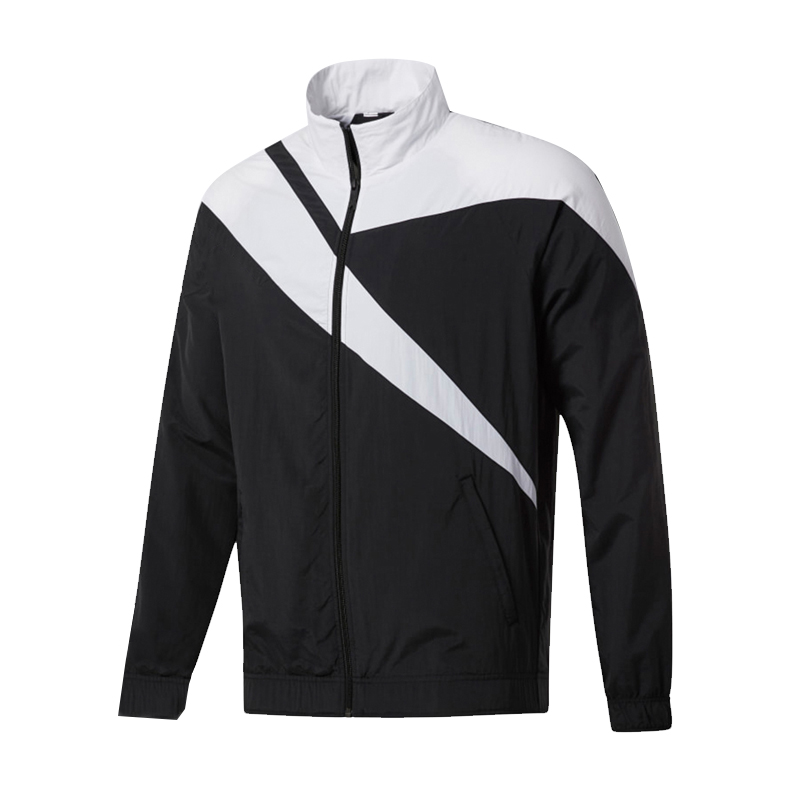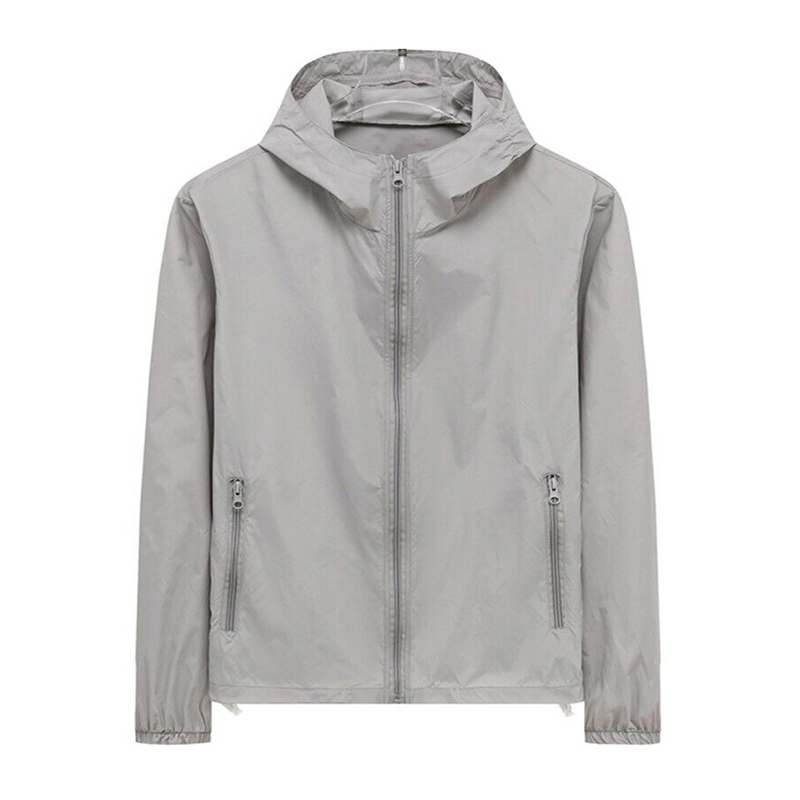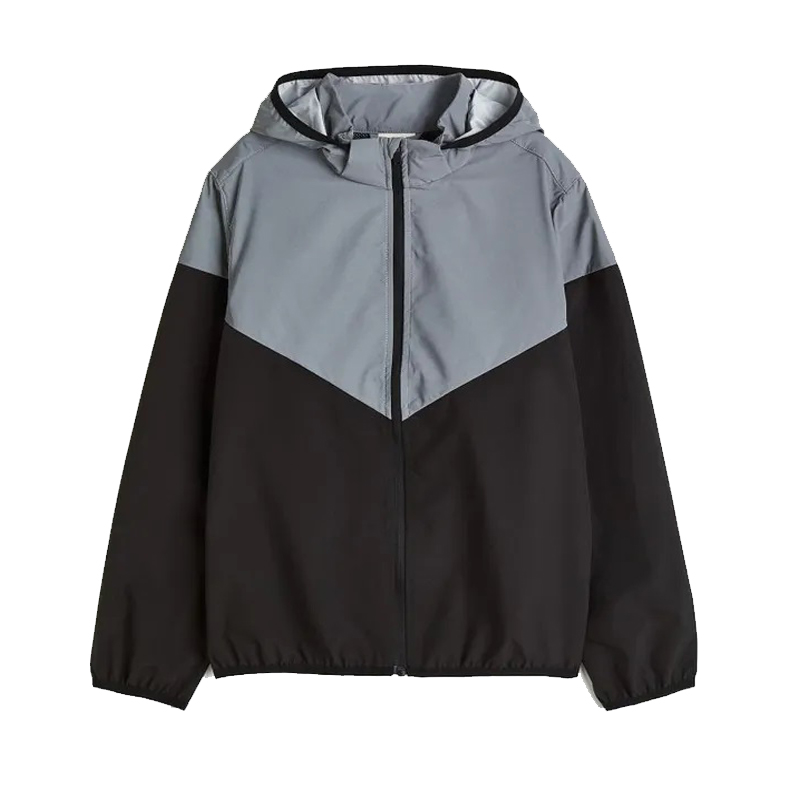
Executive Summary of the Quality Control Process
Managing the manufacturing standards of sportswear, active wear, and leisure wear requires strict control over raw materials, engineering tolerances, and mechanical performance. Here is a overview of the comprehensive quality control (QC).
1. Pre-Production Inspection (PPI)
- GSM Verification: Weighing fabric thickness using precise cutter tools.
- 4-Way Stretch & Recovery: Testing elasticity to ensure the garment bounces back without permanently bagging out.
- Moisture Management: Verifying the wicking speed and evaporation rate of hydrophobic yarns.
- Shrinkage Testing: Subjecting fabric to accelerated wash cycles to keep dimensional changes strictly under 3%.
2. In-Line Inspection (DUPRO)
- Stitches Per Inch (SPI): Calibrating sewing machines for 10–14 SPI depending on stretch requirements.
- Seam Elasticity: Verifying that flat lock and over lock stitching can extend fully without popping threads.
- Needle Defect Audits: Monitoring sewing lines to prevent micro-holes caused by blunt needles cutting synthetic polymer yarns.
3. Final Quality Inspection (FQI)
- AQL 2.5 Sampling: Categorizing issues into Critical (e.g., needle fragments), Major ( open seams, twisted grain lines), and Minor (uncut threads).
- Dimensional Spec Audit: Measuring key points (chest, waist, inseam) against technical packets within a 0.5cm to 1.0cm tolerance.
4. Specialized Performance Criteria
| Wear Type | Focus Parameter | Primary Test Method |
|---|---|---|
| Activewear | Breathability | Moisture vapor transmission rate (MVTR) |
| Compression Wear | Elastic Recovery | Cyclical elongation stress testing |
| Leisurewear / Outdoor | Weather Resistance | Hydrostatic head water-column pressure |